
You probably know that some people choose Botox® to prevent wrinkles. Botox works by temporarily relaxing the facial muscles responsible for expression lines. A small amount of botulinum toxin is injected into these muscles, reducing their activity and softening the appearance of wrinkles. But did you know that the very first use for this injection was medical? Botox was first used to treat eye and neck muscle spasms in the late 80s and early 90s. By the early 2000s, the Food and Drug Administration (FDA) approved Botox for cosmetic use. Today, many practitioners use Botox to help relieve TMJ pain,* and patients are seeing promising results.
When used to treat jaw pain, Botox essentially relaxes overactive muscles that cause clenching. By forcing these muscles to ease up, patients with TMJ disorder-related pain and jaw stress experience significant symptom improvement.
How Botox® Addresses TMJ Pain and Jaw Stress
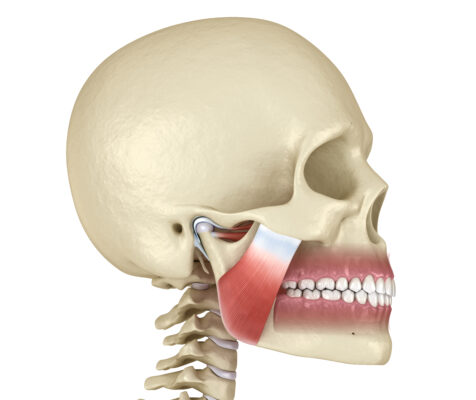 TMJ disorder (TMD) describes a set of problems you might experience in your temporomandibular joint, or your TMJ. Symptoms include clicking sounds when you open your mouth or limited jaw movements.
You may even experience headaches around the temples due to the added stress on your mouth and facial muscles.
To address TMJ pain, we inject Botox into the muscles that contribute to tension, stress, and pressure. The masseter is the most common target. This large jaw muscle plays a key role in chewing and is often a source of pain. When we relax the masseter with Botox, it can reduce the tension that leads to discomfort.
Botox works by binding to nerve endings and blocking the signals that trigger muscle contractions. As a result, the masseter relaxes. This softens your bite and can ease TMD symptoms.
In addition to TMJ pain, Botox can also help with bruxism, or chronic teeth grinding and clenching. This condition is commonly associated with TMJ disorder. Left untreated, bruxism can lead to tooth damage and discomfort.
When you’re grinding and clenching your teeth, you’re also putting extra stress on them. This stain can wear down your teeth and cause bite misalignment. If you have dental implants or other dental restorations, excessive pressure from grinding and clenching can strain or damage them over time.
By treating jaw tension, you’re not just relieving pain. You’re also helping protect your teeth and your previous dental work for the long run.
What To Expect From Botox Therapy for TMJ Disorder
Wondering what it’s like to get Botox therapy for TMJ pain? The process is likely simpler than you expect, and we prioritize your comfort at every step.
Our experienced aesthetic nurse, Mary Ellis, will administer your Botox injections. First, she will clean the area where we will inject the Botox. She might use a numbing cream if you’re worried about discomfort. Then, she will make a few quick injections into the masseter muscle.
Afterward, you’ll be able to resume all your normal activities right away. However, we recommend not rubbing the area or lying down for 4 hours post-injection.
It’s important to note that Botox takes time to take effect. By day 7, you should be feeling less jaw tension. You’ll start to notice improvements in your comfort, with reduced clenching, fewer headaches, and easier jaw movement.
Within two weeks, when the Botox has reached its full effectiveness, you should experience significant relief from jaw tension and grinding symptoms.
Patients often ask us how long their results will last. The effects of Botox will last for 3-6 months after treatment, depending on your body’s metabolism. Since Botox provides temporary relief, you’ll need follow-up treatments to maintain your results. Each visit is quick and simple, and over time, your muscles adapt, often leading to longer-lasting relief with each session.
When you come in for a free consultation, Nurse Ellis will explain the benefits of Botox therapy for TMJ disorder and determine if you’re a good candidate.
Book a Free Consultation To See if You’re Eligible
TMJ disorder can cause daily discomfort, from jaw pain to tension headaches. Botox relieves symptoms by relaxing the masseter muscle, reducing strain and easing symptoms. It also helps protect your teeth from damage like misalignment, wear, and stress on dental restorations.
During your visit to West Wind Dental, Nurse Ellis will explain how Botox works for TMJ pain and guide you through a personalized treatment plan.
Ready to find relief? Schedule a free consultation today.
*Disclaimer: Botox® for TMJ (TMD) and jaw pain is considered an off-label use and has not been specifically approved by the U.S. Food and Drug Administration (FDA) for this purpose. This information is provided for educational purposes only and is not a substitute for a personalized examination, diagnosis, or treatment plan by a qualified dental or medical professional. Results and experiences with Botox treatment can vary from person to person, and potential risks, benefits, and alternatives should be discussed in detail with your provider before proceeding.
