
Houses are built to last. But wear and tear is a part of life. When damage sets in, repairs can help maintain a home. However, sometimes a structure becomes so degraded that it needs to be demolished. In many ways, your teeth are like a house. Just as you want your home to stand the test of time, you want your teeth to last a lifetime. With proper care and timely treatment, it’s often possible to preserve them. But once they’re too structurally compromised, they may require extraction. If you have a cracked or infected tooth, you may be wondering whether it can be saved with a root canal or if you need an extraction.
While we try to save natural teeth whenever possible, extractions are sometimes the best option for maintaining your oral health. Learn what factors will help us determine the right choice for your smile.
Root Canal or Extraction? Here’s How We Choose
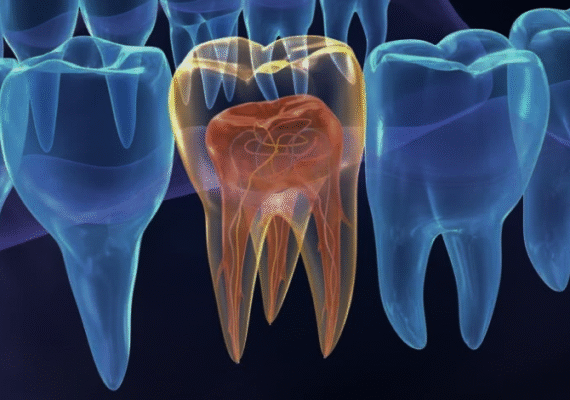 When a patient has an infected or cracked tooth, we typically address it in one of two ways: root canal treatment or extraction.
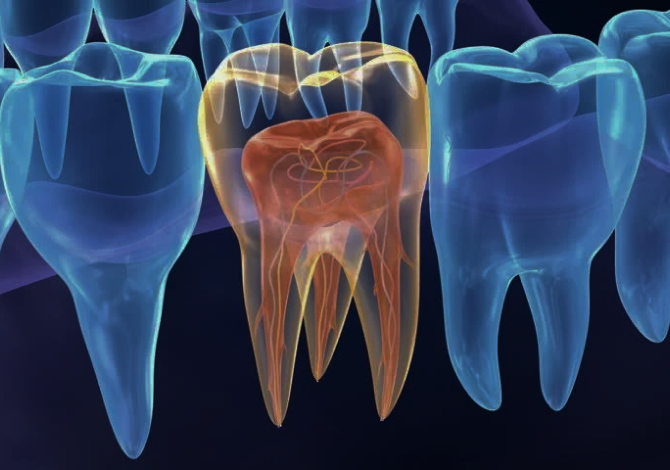
With root canal therapy, we don’t remove the tooth—we remove the infection, treating the underlying cause of sensitivity. Doing so preserves the rest of the tooth structure and extends the life of your tooth.
On the other hand, an extraction removes the entire tooth. When your tooth is too severely damaged to address with a root canal, we might recommend taking it out entirely so that it doesn’t cause ongoing pain, infection, or further complications.
Root Canals: Saving Your Natural Tooth
It’s wasteful to dismantle an entire building when basic repairs could extend its life. Likewise, when it’s possible, Dr. Ellis recommends saving the tooth with a root canal. That’s because no tooth replacement looks and functions quite like a natural tooth. By repairing it with root canal therapy, Dr. Ellis preserves more of the original foundation.
How does Dr. Ellis actually remove infection with the root canal procedure? First, he drills a small opening in the crown. This gives him access to the pulp chamber. Next, he removes the infected pulp and cleans the tooth’s interior. Once he disinfects the canal, Dr. Ellis fills it with a special material and seals it to prevent bacteria from entering. Then, he places a custom crown to restore its shape and keep it structurally sound.
After a root canal, for the next day or so, you might be a bit sore. But in the end, you’ll have a healthier tooth that no longer feels sensitive.
Extraction: Preventing Further Harm When Teeth Can’t Be Saved
 Sometimes, a house is so unsafe that no repairs will save it. It’s best to knock down the building and replace it with a new structure. Similarly, a root canal isn’t always enough to fix a damaged tooth. In these cases, extraction is the best way to maintain overall oral health.
Dr. Ellis might recommend extraction if you’re dealing with:
- Loose teeth from advanced gum disease
- Severely broken or decayed teeth that can’t be repaired with other treatments
- Infected teeth that can’t be restored with a root canal
Depending on the tooth’s condition, Dr. Ellis may recommend a simple extraction or a surgical extraction.
A simple extraction works when the tooth is visible above the gumline. With this process, Dr. Ellis simply loosens and removes the tooth.
If the tooth is broken at the gumline or trapped beneath the gums, he may need to perform a surgical extraction. For this procedure, he makes a small incision in the gums to remove the tooth, sometimes sectioning it into smaller parts.
Replacing an Extracted Tooth
After extraction, neighboring teeth may shift over time, leading to bite misalignment. So, it’s important to replace a missing tooth soon after its removal.
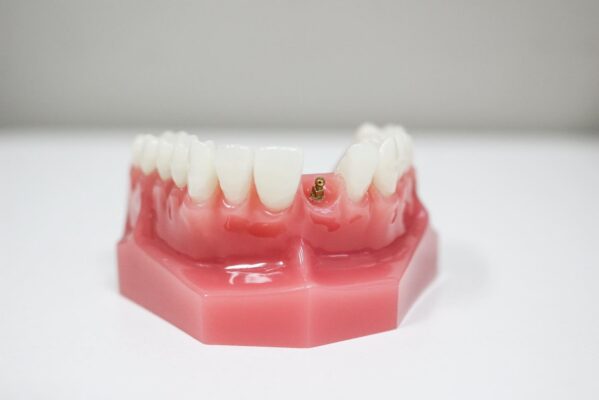
To replace an extracted tooth, Dr. Ellis recommends completing your smile with a mini dental implant and crown.
During the mini implant procedure, Dr. Ellis gently places a small metal post in your jawbone. Then, he secures a crown on top, restoring the look and function of your natural tooth. Often, Dr. Ellis can extract and replace a tooth on the same day, allowing the implant and extraction sites to heal together.
Find Out if You Need a Root Canal or Extraction
Root canal or extraction? Ultimately, we recommend treating your natural tooth with a root canal whenever it is salvageable. But in some cases, extraction might be best. If you do need a tooth removed, Dr. Ellis can often replace it promptly with a mini dental implant and a crown.
Dr. Ellis has a background in construction, which gives him a unique understanding of how to protect and preserve the structural integrity of your smile. Once he evaluates what’s going on with your tooth, he will tell you whether it’s possible to save it with a root canal or if an extraction is best.
Ready to find out whether your tooth can be saved? Book a free consultation today to learn your best option for a healthy, lasting smile.
