
Modern denture design, such as the All-on-4 system, isn’t just convenience technology—it’s a piece of history. Let’s jump back to ancient Rome, where Atilius, a freed slave, was tasked with constructing the Fidenae Amphitheatre. This grand 120-foot-tall structure was designed to hold 50,000 spectators and host a variety of entertainment. Unfortunately, Atilius rushed construction, using poor-quality materials and minimizing proper support structures. During the grand opening, eager spectators poured into the stands for the first and last time. The weight was overwhelming. Timbers warped and buckled. The shallow earth shifted. It was too late. Needless to say, the theatre no longer exists, and the catastrophe became the catalyst for stricter construction guidelines.
When it comes to your mouth, the same construction principles apply on a much smaller scale. With implant dentures, an All-on-4 option sits on four dental implants and is designed to withstand years of bite force and wear. However, it may not be the most reliable long-term solution for those with missing teeth. Understanding how the All-on-4 system compares to alternatives designed for greater longevity is key to choosing the best option.
What Is an All-on-4?
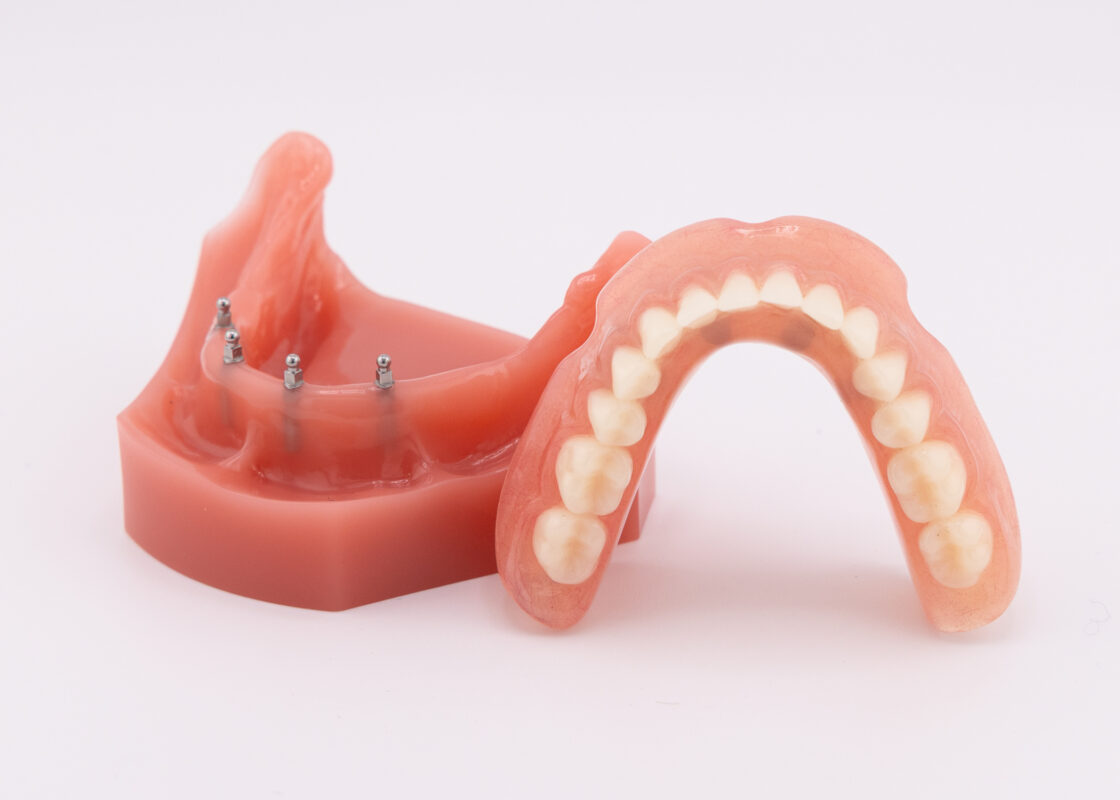
The All-on-4 system is a full-arch restoration that uses four traditional dental implants to support a complete upper or lower denture. Two implants are placed toward the front of the jaw, while the other two are angled toward the back to maximize available bone.
These implants support a fixed denture that remains in place and does not need to be removed daily. The goal is to restore function using fewer implants while still providing stability.
While effective for some patients, this approach relies entirely on four implants to withstand daily chewing forces and long-term wear.
Structural and Durability Concerns With All-on-4
A primary limitation of All-on-4 is its dependence on just four implants. Each implant carries a significant share of the load whenever you bite or chew. Over time, this concentrated stress can affect both the implants and the surrounding bone.
If a single implant fails, the entire restoration can become unstable, as the remaining implants may not fully support the denture. Much like the collapse of the Fidenae Amphitheatre, this can compromise the entire structure and lead to complex repairs or full replacement.
Traditional implants also consist of multiple interconnecting pieces. These junctions create small margins where bacteria can accumulate, increasing the risk of peri-implantitis (an infection that may cause bone loss and implant failure). With little room for error, this design presents greater long-term risk. Fortunately, Dr. Ellis offers a more reliable solution.
Why Dr. Robert Ellis Prefers Fix-on-Six Over All-on-4
With a background in construction, Dr. Ellis takes a structural approach to full-arch restoration at West Wind Dental. Rather than relying on four two-piece implants, he typically places six or more one-piece implants to support a full arch.
The Fix-on-Six method follows a simple principle: more support creates a stronger, more reliable foundation. By placing additional implants, this approach distributes biting forces more evenly, reduces stress on each implant, and enhances long-term performance. Even if one implant does not perform as expected, the remaining implants continue to support the denture.
Dr. Ellis’s goal is to provide a dependable solution that functions well under daily use and reduces the likelihood of future complications.
What Makes Fix-on-Six the More Reliable Option
In addition to the strength provided by multiple mini dental implants, Fix-on-Six benefits from their seamless, one-piece design. Without openings between components, there are fewer places for bacteria to accumulate, helping reduce the risk of peri-implantitis and supporting long-term success.
The Fix-on-Six system also offers flexibility during treatment. If six implants do not achieve the stability he expects, Dr. Robert Ellis may place additional implants at no cost to strengthen the foundation. He makes every decision with your best interests in mind, ensuring the long-term success of your restoration and oral health.
By reducing reliance on a single implant, Fix-on-Six provides a predictable, durable result. The objective is clear: deliver a stable restoration that continues to function well for years to come.
A Stronger Foundation That Stands the Test of Time
Just as the collapse of the Fidenae Amphitheatre revealed the dangers of inadequate structural support, your smile depends on a strong and lasting foundation. While All-on-4 can be an effective solution, Fix-on-Six offers enhanced stability, durability, and long-term reliability through greater structural support.
If you’re considering implant-supported dentures, a personalized evaluation is the best way to determine the right solution. Dr. Robert Ellis takes the time to understand your needs and create a treatment plan focused on lasting comfort and function. Contact our office for a free consultation to take the first step toward renewed confidence and lifelong oral health.