In the world of restoration, whether it’s automobiles, clocks, or furniture, this art form uses the same principles: preservation over replacement, while reclaiming the item’s original state. Restorative dentistry uses the same principles. Since no man-made material is as good as your natural teeth, they should be saved whenever possible. That’s where dental bonding comes in. The art of dental bonding is the most versatile and minimally invasive way to preserve your teeth, bringing back function and oral health in as little as one visit. At West Wind Dental in Rigby, Dr. Robert Ellis uses this method to repair damaged teeth and enhance overall aesthetics. For many patients, this technique offers a conservative and affordable way to make meaningful cosmetic and functional improvements without extensive dental work.
What Is Dental Bonding?
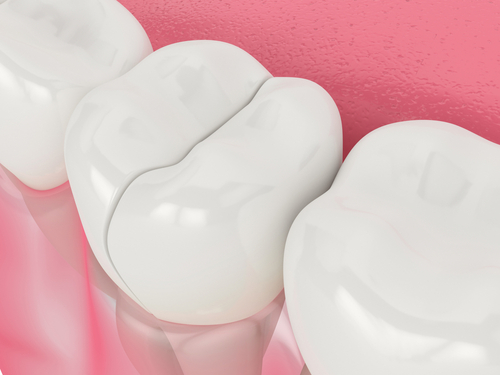
Dental bonding is a cosmetic and restorative procedure that uses a tooth-colored composite resin to repair or reshape teeth. Dr. Ellis carefully applies the resin to the tooth’s surface, molds it into the desired shape, and hardens it with a special curing light. This process bonds the material directly to the enamel, creating a strong, natural-looking result that blends seamlessly with surrounding teeth.
Dr. Ellis uses the same material found in tooth-colored fillings. By matching the resin to your natural tooth shade, this procedure enhances both the appearance and strength of your teeth.
Common Uses for Dental Bonding
Dental bonding is an adaptable procedure used to correct a variety of cosmetic and structural concerns, such as:
- Repairing cracked or chipped teeth
- Filling small cavities or replacing old metal fillings
- Closing minor gaps between teeth
- Lengthening worn or uneven teeth
- Concealing discoloration that doesn’t respond to whitening treatments
For patients with gum recession, this process can cover exposed roots and reduce sensitivity. Since the procedure preserves most of the enamel, dentists often recommend it as a first option for subtle but noticeable improvements. It works especially well for people who want to enhance their smile without committing to more involved treatments like veneers or crowns.
The Dental Bonding Process
The process is straightforward and typically takes just one visit. Dr. Ellis begins by selecting a resin shade that matches your natural teeth. After preparing the tooth’s surface, he applies a conditioning liquid to help the bonding material adhere.
He then places the resin directly onto the tooth and sculpts it into the ideal shape. Once the contouring is complete, he hardens the material with a curing light. Finally, he polishes the bonded area to create a smooth, authentic finish.
The procedure usually takes less than an hour per tooth. Most patients don’t need anesthesia unless the material is being used to fill a cavity. This enables you to return to your regular routine immediately after your appointment, making this one of the most convenient restorative options available.
Benefits of Dental Bonding
Dental bonding offers several advantages for patients seeking quick, authentic results. Other advantages include:
- Affordability: Bonding is one of the most cost-effective cosmetic procedures.
- Minimally invasive: It saves more of your existing tooth structure than crowns or veneers.
- Natural appearance: The composite resin blends seamlessly with the rest of your smile.
- Comfort: The process is painless and requires no recovery time.
Because this procedure is so versatile, it can address both aesthetic concerns and functional issues. Whether you’re looking to repair a small chip, even out a tooth’s shape, or brighten discolored teeth, this treatment provides a simple and practical solution that lasts.
Caring for Bonded Teeth
Proper care helps ensure that your bonded teeth stay strong and attractive for years. While the material is durable, it’s not as hard as natural enamel and can chip or stain if not maintained properly. To protect your investment, follow these simple guidelines:
- Brush twice daily and floss regularly to maintain oral health.
- Avoid biting hard objects such as ice, fingernails, or pen caps.
- Limit foods and drinks that stain, including coffee, tea, and red wine.
- Schedule routine checkups and cleanings with Dr. Ellis to keep your smile in optimal condition.
- If you grind your teeth at night, ask about a custom mouthguard for protection.
With consistent care, dental bonding can last five to ten years before requiring minor touch-ups or replacement. For many patients, this makes it a reliable long-term solution that fits easily into everyday life.
Restoring Confidence Through Simplicity
At West Wind Dental, Dr. Robert Ellis takes pride in providing treatments that are both effective and minimally invasive. If you’ve noticed chips, gaps, or discoloration in your teeth, dental bonding offers a straightforward path to repair and renewal. Schedule a free consultation at West Wind Dental today, and let us help your smile look its best.