
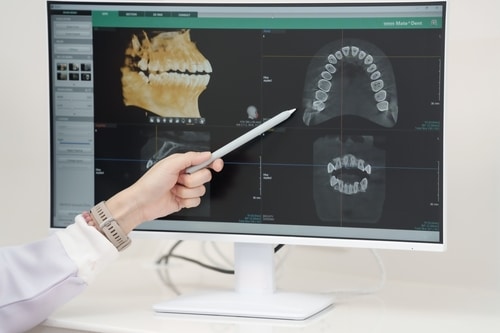
If you ask a Rexburg implant dentist, they’ll likely agree: no two patients are the same. Everyone comes in with a different health history, and that can affect how Dr. Robert Ellis plans for dental implants. In many cases, the condition itself is less important than how well it is being managed. Dr. Ellis looks closely at factors like healing, bleeding, bone health, and long-term implant stability before recommending treatment. After reviewing a patient’s medical history and evaluating their oral health, he can determine wh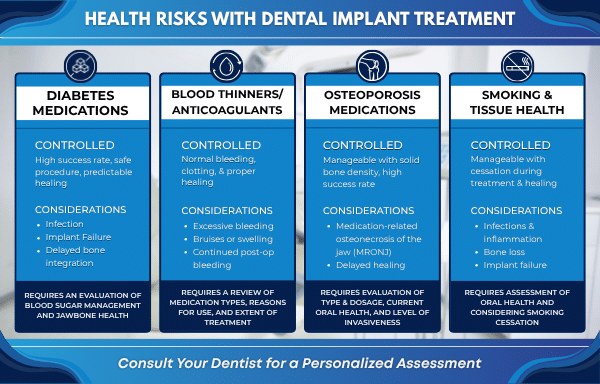 ether dental implants are a good option and what approach makes the most sense.
Health Factors an Idaho Implant Dentist Considers
Candidacy for mini dental implants is not based on a simple checklist. Dr. Ellis and his team at West Wind Dental review each patient’s health history, oral condition, and imaging before recommending treatment. His approach is conservative and focused on avoiding overtreatment. If something raises concern, he would rather address it early than move forward with a procedure he does not believe has a strong chance of long-term success.
Diabetes and Healing
A diabetes diagnosis does not automatically rule out mini dental implants. Dr. Ellis looks at how well the condition is controlled and how it may affect healing after treatment.
Patients with well-managed diabetes can often have outcomes similar to non-diabetic patients. When blood sugar is not well controlled, however, the risks can increase. Dr. Ellis considers concerns such as delayed bone integration, peri-implantitis (inflammation of the gum tissue around the implant), and implant failure before recommending treatment.
During a consultation, Dr. Ellis and his team will review:
- Blood sugar control
- Gum and jawbone health
- Ability to care for the implant site after treatment
Another factor to consider is how certain medications, especially blood thinners, may affect treatment.
Blood Thinners and Oral Surgery
Blood thinners and DOACs (direct oral anticoagulants) do not automatically prevent a patient from having dental implant treatment, but Dr. Ellis needs to know exactly what medication the patient takes and why. That information helps him plan around bleeding and clotting risks during surgery.
When reviewing a patient’s health history, Dr. Ellis considers:
- The type of medication the patient takes (warfarin, a DOAC such as Eliquis or Xarelto, aspirin, or clopidogrel)
- The use of more than one antithrombotic medication
- The reason the medication was prescribed, such as atrial fibrillation, a mechanical heart valve, prior stroke, or recent stenting
- The patient’s kidney function and dose timing when taking a DOAC
- The extent of the planned surgery, including the number of implants, same-day extractions, or bone grafting
Patients should never stop a prescribed blood thinner on their own before dental treatment. Dr. Ellis will consider the bleeding risk alongside the health risks of changing the medication and coordinate with the prescribing physician when necessary.
Bisphosphonates and Other Antiresorptive Medications
For patients taking antiresorptive medications for osteoporosis or cancer, Dr. Ellis pays close attention to the type of medication, the dose, and why it was prescribed.
These medications can affect how the jawbone heals after implant treatment. One concern is medication-related osteonecrosis of the jaw, or MRONJ, a rare condition in which exposed bone does not heal normally. The risk is generally different for patients taking osteoporosis doses than for those receiving higher-dose therapy as part of cancer treatment. If healing appears too unpredictable, Dr. Ellis may recommend a different treatment approach.
Before recommending dental implants, Dr. Ellis reviews:
- The type and dose of the medication
- The length of time the patient has taken the medication
- The condition of the patient’s oral health
- The extent of the planned treatment
- The need to coordinate with the prescribing physician
Medications are not the only factor that can affect healing; smoking can also change how the gums and bone respond after implant treatment.
Smoking and Tissue Health
Smoking can make dental implant treatment less predictable. Dr. Ellis considers how tobacco use may affect healing, bone support, and the health of the tissues around an implant.
Compared with nonsmokers, patients who smoke may face a higher risk of:
- Infection and inflammation
- Bone loss around the implant
- Peri-implant mucositis, or gum inflammation around an implant
- Peri-implantitis, which can involve loss of supporting bone
- Delayed or less predictable healing
Smoking can also mask gum bleeding, which is one sign dentists use to monitor inflammation. For that reason, Dr. Ellis looks at several indicators of implant health when planning treatment and follow-up care.
Schedule Your Free Consultation With an Idaho Implant Dentist
A health condition does not always mean dental implants are off the table. Dr. Robert Ellis looks at the full picture, including how well a condition is managed and how it may affect healing and long-term success. If you are considering mini dental implants, schedule a free consultation at West Wind Dental to learn whether treatment is appropriate for you.