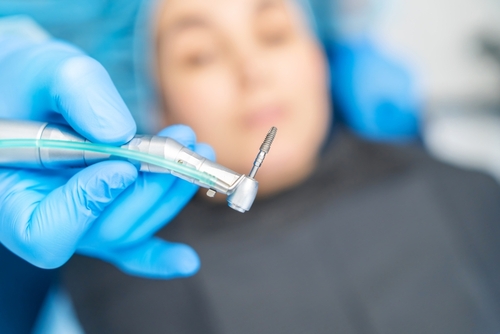
You may have heard the proverb “a stitch in time saves nine,” an age-old saying that urges addressing a problem early to prevent more serious issues later. The same principle applies to your oral health. A missing tooth or unstable denture may seem manageable at first, but over time, it can lead to bone loss, gum problems, shifting teeth, and even nutritional deficiencies. That’s where mini implants come in. A mini implant is not just a replacement solution. It’s a preventive one. Restoring structure and function early helps patients avoid a chain reaction of oral health complications. At West Wind Dental, Dr. Robert Ellis focuses on solutions that protect long-term health rather than just aesthetics.
In the interest of educating our patients, our team wants to make sure you understand the four biggest impacts mini dental implants have on your long-term health and how they prevent problems before they start.
1: A Mini Implant Helps Preserve Jawbone Structure
When a tooth is lost, the jawbone in that area begins to shrink. Without the stimulation of a tooth root, the body no longer maintains that section of bone.
A mini implant replaces the function of a natural root. It transfers pressure into the jawbone during chewing, which signals the body to maintain bone density. This helps keep the jaw strong and stable over time.
The long-term effects of bone preservation include:
- Maintaining facial structure and natural contours
- Supporting stability for surrounding teeth
- Reducing the likelihood of future surgical intervention
With bone structure preserved, the next concern is the health of the gum tissue.
2: Mini Implants Support Gum Health and Reduce Risk
Gums depend on a stable support system. When a tooth is missing, the gum tissue can recede or shift. These changes create spaces where bacteria can collect, increasing the risk of infection.
A mini implant helps maintain the natural shape of the gum line. Filling the gap reduces areas where plaque can build up, making daily hygiene more effective and lowering the risk of gum disease. Over time, stable gums support better overall oral health.
With this foundation in place, attention shifts over to the surrounding teeth.
3: A Mini Implant Protects Adjacent Teeth From Damage
A missing tooth affects more than the empty space. Nearby teeth can shift or take on extra pressure during chewing. This imbalance may lead to misalignment, uneven wear, or structural damage. A mini implant prevents this by restoring proper spacing and function. It keeps neighboring teeth in position and evenly distributes bite forces.
This protection helps:
- prevent teeth from drifting into open spaces
- reduce excess pressure on individual teeth
- maintain a balanced and stable bite
Now that structure and alignment are protected, the final factor is how function supports overall health.
4: Mini Implants Support Proper Nutrition Through Secure Chewing
Chewing plays a direct role in nutrition. When patients have missing teeth or unstable dentures, they struggle to process hard-to-chew foods or avoid them altogether. This can limit access to important nutrients your body needs
A mini implant restores stability and bite strength. Patients can chew more effectively and enjoy a wider range of foods, including raw vegetables, lean proteins, and fruits. This improved function helps support better digestion, more balanced nutrition, and overall health.
A Preventive Approach to Long-Term Oral Health
For patients who want to protect their health and avoid complicated treatments later, mini dental implants offer a clear advantage. If you’re considering your options, we invite you to schedule a free consultation at West Wind Dental. Dr. Ellis can determine whether a mini implant is the right preventive solution for your long-term oral health.